


LGBTQIA+ Affirming Therapy at Buxani Counseling Care
Ways to Support the LGBTQIA+ Community
2. Allyship:
Active vocal support against homophobic and transphobic discrimination.
FAQ's
The acronym stands for Lesbian, Gay, Bisexual, Transgender, Queer/Questioning, Intersex, and Asexual identities. The “+” at the end of LGBTQIA+ acknowledges that gender identities and sexual orientations are expansive and continue to evolve beyond these specific labels.
Gender identity struggles often manifest as a persistent feeling that your internal sense of self does not align with the sex you were assigned at birth. You might experience “gender dysphoria,” which is a sense of unease or distress. At our LGBTQIA center, we help individuals explore these feelings in a safe, non-judgmental environment.
The mental health of LGBTQ individuals is often impacted by “minority stress.” This refers to the chronic stress faced by LGBTQIA+ people due to homophobic and transphobic discrimination, social rejection, or fear of unequal treatment. Specialized LGBTQ therapy focuses on these unique external pressures rather than treating your identity as the problem.
There are several active ways to support the lgbtq community, including:
Yes. For many people, sexual orientation is fluid. It is common for LGBTQIA+ individuals to learn more about themselves as they grow, leading to changes in how they define their LGBTQIA identities. Our therapists are here to support you through every stage of that self-discovery.
Absolutely. LGBTQIA+ youth are at a higher risk for mental health challenges due to bullying or lack of support at home. We provide specialized care to help young people navigate their identities, build resilience, and connect with the broader lgbtqia community.
No, being transgender or gender-diverse is not a mental illness. Gender dysphoria is a clinical term used by the American Psychiatric Association (DSM-5) to describe the distress or impairment a person feels when their gender identity does not align with their sex assigned at birth.
The medical community has shifted its focus: the “disorder” is not the identity itself, but the psychological pain caused by the lack of alignment and societal exclusion. At our LGBTQIA center, we treat the distress, not the identity, providing support through transition, self-acceptance, and mental health care.
Society often operates on a strict “gender binary,” which creates several hurdles for LGBTQIA+ individuals:
Discrimination, often called “minority stress,” can be both visible and subtle. Common forms include:
The lgbtqia community is a diverse global network of people who share a history of resisting social norms regarding sexual orientation and gender identities. It serves as a vital support system where individuals can find “chosen family,” advocacy, and shared culture.
The acronym LGBTQIA explained includes:
Trauma-informed therapy acknowledges the effects of trauma and creates a safe environment for individuals to explore their experiences.

LGBTQIA therapy supports individuals in the community to understand their identity, cope with discrimination, and overcome unique challenges.
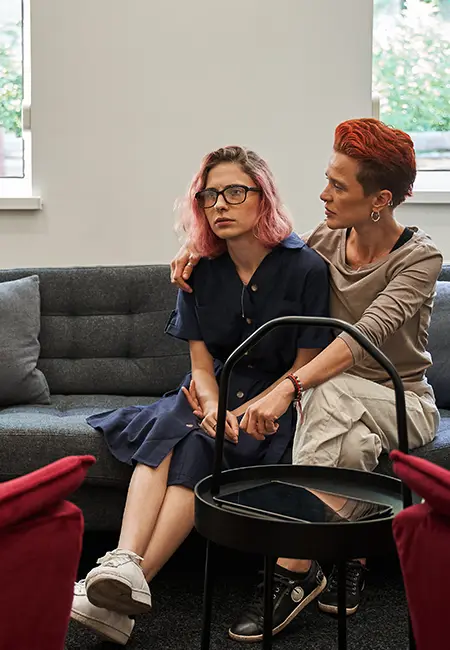
Mindfulness Based Stress Therapy
Mindfulness based stress therapy combines mindfulness practices and cognitive behavioral therapy to manage stress and promote well-being.