

Therapy for Teenagers with Depression
Finding the right therapy for teenagers with depression is a transformative step toward reclaiming a young life. In 2026, evidence-based practices like CBT and DBT offer specialized tools to help adolescents navigate their complex emotions. By addressing the unique developmental needs of teens, modern therapy provides a safe, non-judgmental space to build resilience and develop lifelong coping strategies.Help for Teenagers with Depression
Securing help for teenagers with depression begins with early intervention and professional guidance. Families can access vital resources for teens with depression, ranging from school-based support to specialized outpatient programs. A dedicated mental health counselor can bridge the communication gap between parents and teens, ensuring the home environment becomes a primary source of healing and emotional security.Teen Depression
Teenagers with depression often face a silent battle influenced by academic pressure, social media, and hormonal shifts. Understanding the psychological factors of depression including genetic predispositions and environmental triggers is essential for effective treatment. Recognizing the signs you have depression early allows for a proactive approach, preventing untreated depression from spiraling into more severe long-term mental health challenges.Depression Therapy
Effective depression therapy focuses on more than just symptom management; it aims for holistic recovery. Through mental health counseling, teens learn to identify and challenge negative thought patterns while improving their interpersonal skills. Whether utilizing IPT-A or CBT, these therapeutic modalities empower adolescents to regain control over their moods and foster a healthier, more positive self-image.Effects of Depression on Daily Life
The effects of depression on daily life can be paralyzing for an adolescent, manifesting as chronic fatigue, social withdrawal, and declining grades. Simple tasks like attending school or engaging in hobbies become immense hurdles. Addressing these daily struggles through a counselor for depression helps teens rebuild their routine and find joy in the activities that once defined them.
Navigating the teenage years is inherently turbulent, but for many, it goes beyond “moodiness.” In 2026, teenagers with depression face a unique set of pressures from digital fatigue to academic intensity. Finding the right therapy for teenagers with depression isn’t just about “fixing” a problem; it’s about providing a roadmap back to a fulfilling life.
If you are looking for help for teenagers with depression, understanding the options is the first step toward healing.
Understanding the Landscape: Statistics of Teens with Depression
Recent statistics of teens with depression show that nearly 1 in 5 adolescents will experience a major depressive episode before reaching adulthood. Despite how common it is, untreated depression can lead to long-term academic struggles, substance abuse, and chronic health issues. Recognizing the signs you have depression early is the most effective way to prevent these outcomes.

What is Teen Depression?
Teen depression is more than just mood swings or occasional sadness. It is a serious mental health condition that affects how a teenager thinks, feels, and behaves.
Common symptoms include:
1. Persistent sadness or irritability
2. Loss of interest in activities
3. Low energy or fatigue
4. Changes in sleep or appetite
5. Difficulty concentrating
6. Feelings of worthlessness or guilt
7. Thoughts of self-harm or suicide
Early intervention with the right therapy for teenagers with depression can make a significant difference in recovery and long-term emotional health.

The Psychological Factors of Depression
Depression isn’t caused by a single event. Usually, it’s a combination of psychological factors of depression, such as:
1. Cognitive Distortions:
Habitual negative thinking patterns.
Habitual negative thinking patterns.
2. Trauma:
Past experiences that affect brain development.
Past experiences that affect brain development.
3. Biological Predispositions:
Family history and brain chemistry.
Family history and brain chemistry.
4. Social Stress:
The impact of bullying or isolation.
The impact of bullying or isolation.
Furthermore, depression and other mental health issues often go hand-in-hand. It is common for teens to struggle with co-occurring anxiety, ADHD, or eating disorders, which requires an integrated approach to mental health counseling.

What is the Best Therapy for Teenagers with Depression?
The most effective approach often combines different therapeutic methods. Below are the top therapies recommended by mental health professionals.
Cognitive Behavioral Therapy is widely considered the gold standard therapy for teenagers with depression.
How it works:
CBT helps teens identify negative thought patterns and replace them with healthier, more realistic ones. It also focuses on changing behaviors that reinforce depression. It provides a “toolbox” to dismantle the effects of depression on daily life, such as procrastination or social withdrawal.
Why it works for teens:
1. Structured and goal-oriented
2. Teaches practical coping skills
3. Helps manage negative thinking loops
4. Provides tools teens can use independently
Example:
A teen who constantly thinks “I’m not good enough” learns to challenge that belief and replace it with balanced thinking.
Interpersonal Therapy focuses on improving relationships and social functioning, which are often deeply connected to teenage depression.
How it works:
IPT addresses issues like:
1. Conflicts with family or friends
2. Social isolation
3. Major life changes (moving schools, breakups)
Why it works:
Teenagers are highly influenced by relationships. Improving communication and emotional expression can significantly reduce depressive symptoms.
Family dynamics play a crucial role in a teenager’s mental health. Family therapy involves parents or caregivers in the healing process.
How it works:
1. Improves communication within the family
2. Resolves conflicts
3. Builds a supportive home environment
Why it works:
A supportive home environment enhances the effectiveness of any depression therapy.

DBT is especially helpful for teens experiencing intense emotions, self-harm behaviors, or suicidal thoughts.
How it works:
It teaches skills in:
1. Emotional regulation
2. Distress tolerance
3. Mindfulness
4. Healthy relationships
Why it works:
DBT provides practical tools to manage overwhelming feelings, making it a powerful therapy for teenagers with depression, particularly in severe cases.
Not all teenagers feel comfortable expressing themselves through words. Creative therapies offer alternative ways to process emotions.
Types include:
1. Art therapy
2. Music therapy
3. Drama therapy
Why it works:
1. Encourages self-expression
2. Reduces stress and anxiety
3. Helps teens explore emotions safely
This approach is particularly useful for younger teens or those resistant to traditional talk therapy.
With increasing digital access, Teletherapy has become a popular option for teenagers with depression.
Benefits:
1. Convenient and accessible
2. Comfortable environment for teens
3. Reduces stigma associated with visiting clinics
Is it effective?
Yes, studies show that online sessions using CBT or counseling methods can be just as effective as in-person therapy for mild to moderate depression.
7. Medication (When Needed)
While therapy is the primary treatment, medication may be recommended in moderate to severe cases.
Important points:
1. Prescribed by a psychiatrist
2. Often combined with therapy
3. Regular monitoring is essential
Medication alone is not the best solution it works best alongside the right therapy for teenagers with depression.
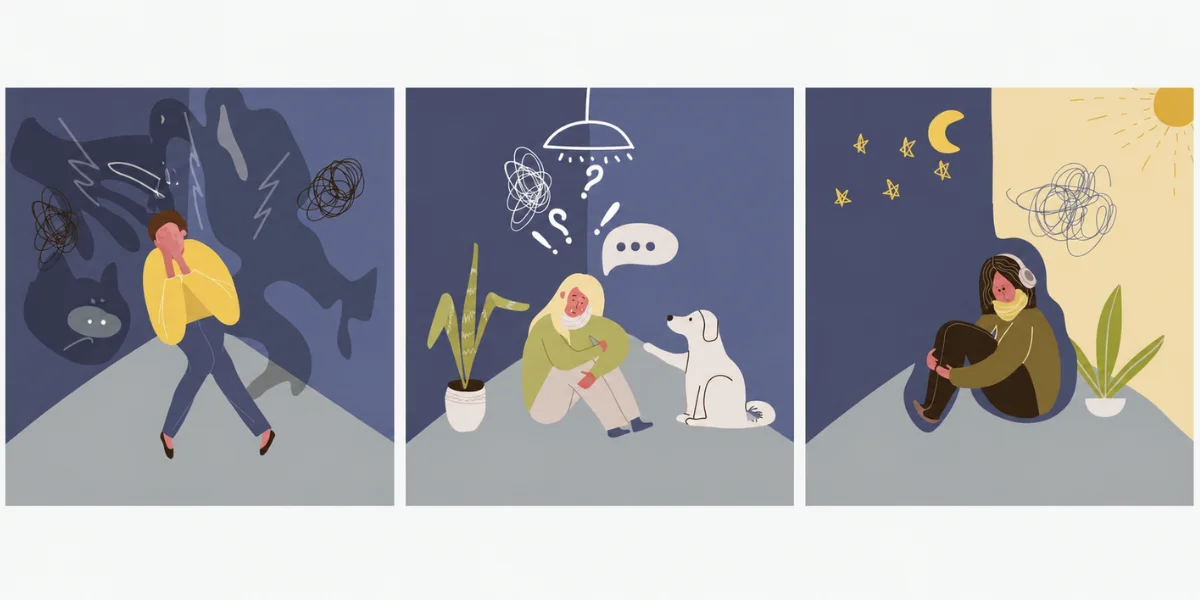
The Effects of Depression on Daily Life
Depression is more than a feeling; it is a functional impairment. For a teenager, the effects of depression on daily life can look like:
1. Academic Decline:
Difficulty concentrating leads to falling grades.
Difficulty concentrating leads to falling grades.
2. Social Isolation:
Breaking “streaks” on social media or skipping hangouts.
Breaking “streaks” on social media or skipping hangouts.
3. Physical Fatigue:
Feeling exhausted even after 10 hours of sleep.
Feeling exhausted even after 10 hours of sleep.
Depression and Other Mental Health Issues
Depression often doesn’t exist alone. It may be linked with other conditions.
Common co-existing issues:
2. ADHD
3. Substance abuse
Understanding the connection between depression and other mental health issues helps in creating a comprehensive treatment plan.
Risks of Untreated Depression
Untreated depression can have serious long-term consequences.
These may include:
1. Chronic mental health problems
2. Academic failure
3. Relationship difficulties
4. Increased risk of self-harm
Ignoring symptoms only worsens the condition, making early intervention critical.
How to Choose the Right Therapy for Teenagers with Depression
Choosing the right therapy can feel overwhelming, but a few key factors can guide the decision.
Consider:
1. Severity of depression
2. Teen’s personality and comfort level
3. Availability of trained therapists
4. Family involvement
5. Budget and accessibility
Tip:
Start with a professional mental health assessment. A psychologist or psychiatrist can recommend the most suitable therapy plan.
Signs That Therapy is Working
When a teenager starts the right therapy, improvements may not be immediate, but gradual changes become visible.
Positive signs include:
1. Improved mood and energy
2. Better communication
3. Increased interest in activities
4. Healthier coping mechanisms
5. Reduced negative thoughts
Consistency is key. The best therapy for teenagers with depression works over time with patience and support.
Resources and Next Steps
Find a Counselor for Depression
Finding the right mental health counselor is about “fit.” A counselor for depression who specializes in adolescents will speak their language and understand the specific developmental milestones they are navigating.
The Initial Assessment
If you aren’t sure where to start, many families begin with a depression test or screening tool provided by a pediatrician. While an online depression test can be a helpful indicator, a formal diagnosis from a licensed mental health counselor is necessary for an effective treatment plan.
Role of Parents and Caregivers
Therapy alone isn’t enough without a supportive environment at home.
What parents can do:
1. Listen without judgment
2. Encourage open conversations
3. Avoid criticism or pressure
4. Support therapy sessions
5. Be patient with progress
A safe, understanding home environment enhances the effectiveness of any therapy.
Can Depression in Teenagers Be Fully Treated?
Yes, with the right combination of therapy, support, and sometimes medication, many teenagers recover fully or learn to manage their symptoms effectively.
Early intervention is crucial. Ignoring symptoms can lead to worsening mental health issues, while timely therapy can change the trajectory of a teen’s life.
Conclusion
The journey through depression and other mental health issues is a marathon, not a sprint. However, with the right therapy for teenagers with depression, the success rate is high. By addressing the psychological factors of depression early and utilizing modern resources for teens with depression, we can ensure that a diagnosis is a chapter in their life, not the whole story.
How Buxani Care Can Help
Buxani Care provides a specialized sanctuary for families navigating the complexities of adolescent mental health. Recognizing that teenagers with depression require more than just standard talk therapy, Buxani Care utilizes a personalized, holistic approach. Their expert team of mental health counselors specializes in evidence-based treatments like CBT and DBT, specifically tailored to address the psychological factors of depression in youth. By offering a compassionate environment to explore depression and other mental health issues, Buxani Care bridges the gap between clinical expertise and genuine human connection, ensuring every teen feels seen, heard, and empowered to heal.
FAQ's
Cognitive Behavioral Therapy (CBT) is widely considered the gold standard because it helps teens identify and replace negative thought patterns with healthier coping skills.
Teen depression is a serious condition marked by persistent sadness, irritability, loss of interest in activities, and changes in sleep or appetite that affect daily functioning.
Yes, teletherapy is an effective and convenient option for mild to moderate depression, providing a comfortable environment that reduces the stigma of visiting a clinic.
Depression is often caused by a combination of habitual negative thinking (cognitive distortions), past trauma, biological predispositions, and social stressors like bullying.
Depression often manifests as functional impairments, including declining academic grades, social isolation, and physical exhaustion even after adequate sleep.
While therapy is the primary treatment, medication may be recommended for moderate to severe cases and works best when combined with professional counseling.
Untreated depression can lead to long-term consequences such as chronic mental health issues, academic failure, substance abuse, and an increased risk of self-harm.
Parents should provide a supportive home environment by listening without judgment, encouraging open conversation, and remaining patient with the recovery process.



Buxani Counseling Care
Hello ????
Can we help you?
Can we help you?
Open chat