

Self Care Activities For Depression
When you are suffering with depression, even small tasks can feel like climbing a mountain. Engaging in intentional self care activities for depression is not about a quick fix; it is about building a sustainable toolkit to manage the effects of depression on daily life. These activities provide a structured way to counteract the isolation and lethargy that often accompany the depression effects felt by patients with depression. By focusing on manageable activities for depression, you can slowly begin to rebuild your routine and reclaim your sense of self, one small, compassionate step at a time.Self Care Activities For Mental Health
Prioritizing self care activities for mental health is essential for anyone navigating the complexities of their inner world. Because depression is a mental illness, it requires a dedicated strategy that addresses both the mind and body. Effective self care activities for mental health often overlap with coping skills for depression activities, such as mindfulness, maintaining physical movement, and seeking professional help from a mental health clinic. These practices help mitigate the psychological factors of depression, allowing individuals to manage depression and other mental health issues with greater resilience and a clearer path toward long-term recovery.Emotional Self-care
Emotional self-care involves creating a safe space to process your feelings without judgment. If you are noticing signs you have depression, practicing emotional self-care can help you navigate the heavy “mental fog” that often sets in. This might include journaling your thoughts or working with a counselor for depression to explore the underlying depression causes. By validating your internal experience, you address the core psychological factors of depression. This practice is vital for those suffering with depression, as it fosters the self-compassion needed to sustain your journey through professional depression therapy.Social Self-care
Social self-care is a critical component of healing, as isolation often worsens the depression effects on a person’s well-being. While you may feel the urge to withdraw, engaging in social self-care like attending group therapy for depression activities can provide a sense of belonging. Connecting with others who understand the diagnosis with depression reduces the stigma and provides shared coping skills for depression activities. Whether it’s a brief chat with a friend or participating in group therapy for depression activities, staying socially active is one of the most powerful activities for depression to break the cycle of loneliness.Activities For Depression In Adults
Finding specific activities for depression in adults is key to managing life’s responsibilities while healing. Since depression is a mental illness, adults often need strategies that integrate into a busy schedule, such as mental health counseling for depression. Effective activities for depression in adults might include structured routines or creative depression activities for adults like gardening or art. Additionally, seeking a depression test or professional mental health counseling for depression ensures that these activities to help with depression are backed by clinical expertise, helping patients with depression navigate their recovery with confidence and clarity.
Living with depression can feel like walking through deep water; every movement requires immense effort, and the shore often feels out of reach. If you are suffering from depression, please know that you aren’t alone, and while self-care isn’t a “cure-all,” it is a vital tool in managing the effects of depression on daily life.
This guide explores evidence-based self care activities for depression to help you navigate your journey toward healing.
Understanding the Impact of Depression
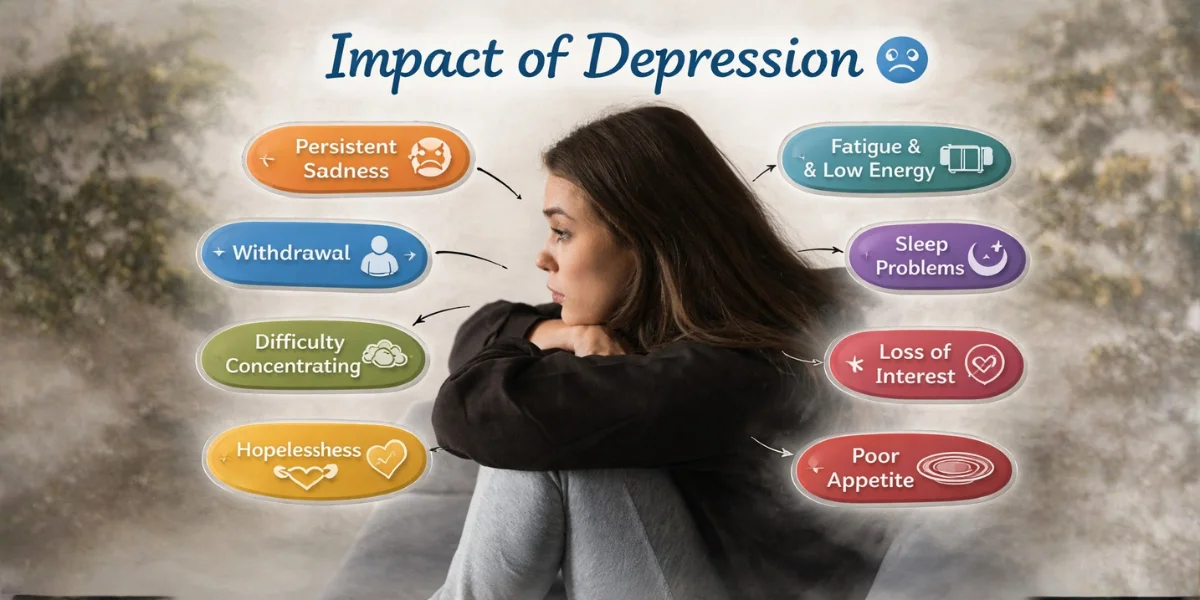
Before diving into strategies, it’s important to acknowledge the depression effects that make daily tasks feel monumental. From persistent fatigue to a loss of interest in hobbies, the psychological factors of depression can create a cycle of inactivity.
If you are noticing signs you have depression, such as persistent sadness or changes in sleep, taking a depression test or seeking a professional diagnosis with depression is a courageous first step. Understanding the causes of depression, whether genetic, environmental, or situational, helps in tailoring the right approach to treat depression.
1. Physical Self-Care: Movement as Medicine
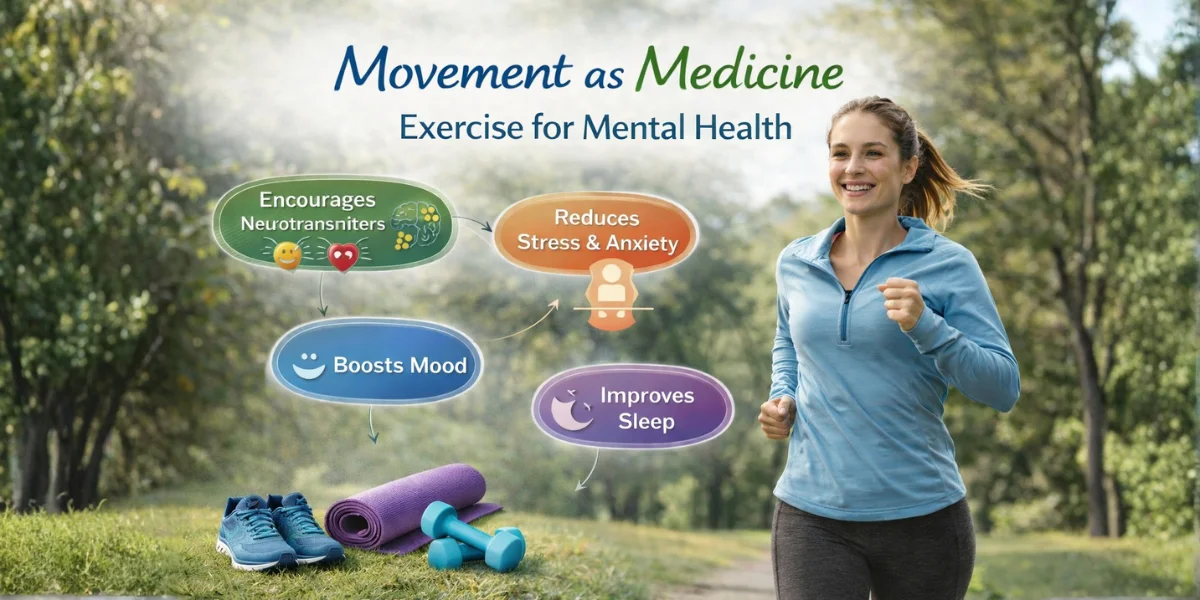
When you’re low on energy, “exercise” sounds exhausting. However, physical activities for depression don’t have to mean a marathon.
1. Gentle Movement:
Start with a 10-minute walk. Movement helps regulate chemicals in the brain that impact mood.
Start with a 10-minute walk. Movement helps regulate chemicals in the brain that impact mood.
2. Nutrition and Hydration:
Depression often disrupts eating habits. Focus on small, nutrient-dense meals to stabilize your energy.
Depression often disrupts eating habits. Focus on small, nutrient-dense meals to stabilize your energy.
3. Sleep Hygiene:
Establish a “no-screen” rule 30 minutes before bed to combat the insomnia or oversleeping often associated with depression and other mental health issues.
2. Emotional Self-Care: Processing the Weight
Emotional self-care involves allowing yourself to feel without judgment. It’s about creating a safe space for your internal world.
1. Journaling:
Writing down your thoughts can externalize the heavy “Mental Clutter.“
2. Creative Expression:
Art, music, or even coloring can serve as effective activities for adults who struggle to put their feelings into words.
Art, music, or even coloring can serve as effective activities for adults who struggle to put their feelings into words.
3. Self-Compassion:
Speak to yourself as you would a dear friend. This shift is one of the most effective coping skills for depression activities.
Speak to yourself as you would a dear friend. This shift is one of the most effective coping skills for depression activities.
3. Social Self-Care: Breaking the Isolation
Depression thrives in solitude. While you may feel like withdrawing, social self-care is essential for recovery.
1. Micro-Connections:
If a dinner party feels like too much, try a simple text to a friend or a brief phone call.
If a dinner party feels like too much, try a simple text to a friend or a brief phone call.
2. Support Groups:
Engaging in group therapy for depression activities allows you to connect with others who truly understand your struggle.
3. Volunteering:
Helping others can provide a sense of purpose and counter the feelings of worthlessness that often accompany patients with depression.
Helping others can provide a sense of purpose and counter the feelings of worthlessness that often accompany patients with depression.
4. Activities Tailored for Different Ages
Because depression is a mental illness that affects brain development and lifestyle responsibilities differently across the lifespan, strategies must be age-appropriate. Finding the right activities to help with depression requires looking at the specific social and cognitive needs of the individual.
Activities for depression in adults

Activities for depression in adults often focus on routine and reclaiming agency. Since depression is a mental illness that can impair executive function, these activities to help with depression often include:
1. Mindfulness Meditation:
Focusing on the “here and now” to reduce rumination.
Focusing on the “here and now” to reduce rumination.
2. Routine Building:
Creating a “low-energy” checklist for days when getting out of bed is the goal.
Creating a “low-energy” checklist for days when getting out of bed is the goal.
Therapy activities for depression in teens
Depression activities for teens often involve high-engagement or sensory tasks:
1. Sensory Grounding:
Using the 5-4-3-2-1 technique to manage anxiety.
Using the 5-4-3-2-1 technique to manage anxiety.
2. Digital Detox:
Setting boundaries with social media to improve self-esteem.
Setting boundaries with social media to improve self-esteem.
When to Seek Professional Support

While self-care activities for mental health are powerful, they are often most effective when paired with professional guidance. If your symptoms persist, consider visiting a mental health clinic.
A professional counselor for depression can provide a structured environment to explore your feelings. Through mental health counseling for depression or specialized depression therapy, you can learn advanced coping skills for depression activities tailored to your specific needs.
Finding the Right Help
2. Therapy Models: Depression therapy
isn’t one-size-fits-all; it may involve individual sessions or group therapy for depression activities.
isn’t one-size-fits-all; it may involve individual sessions or group therapy for depression activities.
3. Clinical Support:
A mental health clinic can offer a multidisciplinary approach, combining medication management with mental health counseling for depression.
A mental health clinic can offer a multidisciplinary approach, combining medication management with mental health counseling for depression.
Building Your Self-Care Toolkit
Category | Activity Example | Why it Helps |
Physical | Stretching for 5 minutes | Lowers cortisol and releases tension. |
Emotional | Identifying one "win" today | Counteracts the "negativity bias" of depression. |
Social | Sitting in a park or coffee shop | Reduces the feeling of total isolation. |
Mental | Reading a familiar book | Provides comfort without high cognitive demand. |
To make self care activities for depression sustainable, start small. Choose one activity from the list below and try it today:
Final Thoughts: One Step at a Time
If you are currently suffering from depression, remember that your value is not defined by your productivity. Self-care activities for mental health are about preservation, not perfection.
Whether you are navigating the effects of depression on daily life or helping a loved one understand depression causes, patience is key. Recovery isn’t linear, but with the right activities for depression and the support of a qualified counselor for depression, the light will eventually return.
If you are in crisis, please reach out to a local helpline or a mental health clinic immediately. You deserve support, and help is available.
FAQ's
Self-care for depression focuses on small, manageable steps to break the cycle of lethargy. Effective activities for depression include:
- Physical: Gentle walking, maintaining a consistent sleep schedule, and staying hydrated.
- Emotional: Journaling, practicing mindfulness, and avoiding self-criticism.
- Social: Texting a friend, attending group therapy for depression activities, or spending time in a public space like a library or park.
Depression is a mental illness that has profound physical consequences. Common depression effects include chronic fatigue, unexplained aches and pains (like back or joint pain), and changes in appetite or weight. It can also weaken the immune system and cause digestive issues, as the neurotransmitters like serotonin that regulate mood also play a role in physical pain and gut health.
While there is no single “cure” in the traditional sense, depression is highly treatable. Most patients with depression find significant relief through a combination of depression therapy, lifestyle changes, and medication. Recent 2026 medical breakthroughs, such as vagus nerve stimulation implants, have shown success in putting even treatment-resistant depression into long-term remission.
Self-care is difficult because depression effects the frontal lobes of the brain, which are responsible for “executive function.” This makes planning, decision-making, and initiating tasks feel nearly impossible. For someone suffering with depression, the lack of energy isn’t “laziness” it is a biological impairment that makes starting even simple activities to help with depression a significant challenge.
The effects of depression on daily life include a persistent loss of interest in hobbies (anhedonia), difficulty concentrating at work or school, and withdrawal from social relationships. It creates a “mental fog” that makes simple decisions feel overwhelming and can lead to a cycle of guilt and isolation that impacts overall wellness.
Yes, they are closely linked. Over 70% of people with depression and other mental health issues also experience symptoms of anxiety. They often share the same biological roots and neurotransmitter imbalances. It is common for a counselor for depression to treat both simultaneously using similar coping skills for depression activities.
Depression is one of the most prevalent mental health conditions worldwide. According to the World Health Organization (2025/2026 data), it is a leading cause of disability globally. Along with anxiety disorders, it affects over a billion people, making it a primary focus for any mental health clinic or public health initiative.



Buxani Counseling Care
Hello ????
Can we help you?
Can we help you?
Open chat