

Depression patient counselling
Effective depression patient counselling begins with deep empathy and a structured understanding of how different individuals experience the condition. Since there are various types of mental depression, from dysthymia to major depressive disorder, patient counselling for depression must be personalized and adaptive. Sadness treatment alone doesn’t suffice when dealing with clinical depression—it requires a blend of emotional validation and cognitive restructuring. Counseling for depression patients often includes talk therapy, mood monitoring, and coping skill development. Therapy sessions for depression are most impactful when guided by a licensed counselor for depression who can offer consistent, evidence-based interventions. Behavioral therapy for depression patients works well in teaching healthier patterns of thinking and acting, especially in environments where the patient feels safe and supported. A supportive counseling environment encourages open communication, reducing the burden of shame and isolation. For successful outcomes, counseling should be ongoing and collaborative, helping patients set realistic goals and develop resilience. Depression is not a one-size-fits-all illness, and so neither should its therapy be. Combining emotional support with professional intervention can greatly improve both mood and functionality, proving how essential structured, compassionate depression counseling truly is in helping patients reclaim a sense of control and hope.Counseling interventions for depression
Depression patient counselling at Buxani Counseling Care offers a safe, non-judgmental environment where individuals can explore their emotions, challenges, and the root causes of their depressive symptoms. Through tailored counseling interventions for depression, our skilled professionals address various types of depression disorder, focusing on both emotional and cognitive healing. Clients benefit from structured therapy sessions that incorporate therapeutic strategies to encourage self-awareness and coping mechanisms. Whether you’re seeking a therapist for severe depression or want to understand alternative methods of treating depression without medication, our team provides holistic care that blends science with compassion. Each session aims to provide real help for severe depression, guided by specific questions to ask a patient with depression that lead to deeper self-reflection. Our goal is to deliver effective depression treatment through consistent support, empathy, and personalized plans that cater to each client’s mental health journey.Counseling for depression
Counseling for depression plays a critical role in long-term healing, especially when aligned with a patient’s specific emotional and psychological needs. Understanding the underlying causes of depression—such as trauma, stress, loss, or neurochemical imbalances—is the foundation of effective support. Depression management requires more than just emotional reassurance; it demands structured techniques and continuous professional engagement. A depression counselling session ideally integrates active listening, cognitive reframing, and mindfulness practices to help individuals process and reframe their experiences. Mental health counseling services provide a safe space where individuals can openly share without fear of judgment. Psychotherapy for depression focuses on identifying thought patterns and behaviors that reinforce hopelessness, enabling clients to regain control of their mindset. Mental health therapy for depression also equips patients with practical tools to navigate daily stressors, triggers, and emotional setbacks. A compassionate counselor who can tailor their approach—whether psychodynamic, behavioral, or humanistic—ensures better results. The success of therapy often hinges on the consistency of sessions and the trust between patient and therapist. Every counseling journey is unique, but with the right mental health professional and evidence-based practices, even those trapped in the darkest phases of depression can rediscover clarity, purpose, and emotional strength.Patient with depression
A patient with depression often battles invisible struggles that require more than surface-level solutions, and that’s where comprehensive therapy for depression becomes crucial. The cure of depression isn’t instantaneous, but consistent therapeutic guidance makes recovery possible. Since depression causes range from unresolved trauma and chemical imbalances to chronic stress and negative thought loops, treatment must address both mind and body. Depression support therapy emphasizes the importance of connection, empathy, and practical coping mechanisms that help patients navigate daily life. Talk therapy for depression allows individuals to voice fears, reframe self-destructive thoughts, and build emotional resilience over time. Whether it’s one-on-one counseling or group therapy, the support provided acts as a beacon in otherwise overwhelming emotional darkness. For any patient with depression, access to a well-trained mental health professional can make a significant difference, especially when therapy is rooted in cognitive-behavioral techniques and emotional validation. While there may be no universal cure, individualized therapy that focuses on understanding, behavioral change, and ongoing support offers real, sustainable hope. Recovery is not linear, but with the right guidance, those affected by depression can begin to heal and reclaim the life and joy they deserve.Best treatment for depression and anxiety
Finding the best treatment for depression and anxiety involves a combination of clinical expertise, therapeutic consistency, and genuine emotional connection. For many, the reasons for depression are layered and complex—ranging from childhood trauma and genetic predisposition to environmental stressors and chemical imbalances. A qualified depression therapist can help untangle these causes while providing a structured path toward emotional healing. Depressed feeling often creates a spiral of negative self-talk and emotional numbness, but counseling strategies for mental health can help break that cycle. Emotional support for depression isn’t just about being heard—it’s about being understood and guided through transformation. Effective therapy sessions focus on validation, emotional regulation, and goal-setting, while also incorporating techniques such as journaling, guided reflection, and behavior activation. By recognizing patterns and gradually shifting perspectives, patients can begin to feel hope once more. Depression therapy should always be tailored to the individual, and therapists who build a trusting, judgment-free relationship with their clients create the foundation for lasting change. Healing takes time, but with compassionate support and expert intervention, even the heaviest emotional burdens can become lighter, empowering individuals to reconnect with themselves and the world around them.Cure of depression
The cure of depression starts with acknowledging that depression is a disease, not a flaw or weakness, and that it requires structured care and professional support. As a depression mental disorder, its symptoms vary in intensity but commonly include fatigue, hopelessness, isolation, and cognitive fog. Cognitive behavioral therapy for depression is among the most effective treatments, helping individuals identify and replace negative thought patterns with healthier, constructive beliefs. Depression treatment counseling involves a strategic blend of talk therapy, emotional processing, and behavior modification—all centered around the patient’s unique life experiences. As a chronic yet treatable condition, depression management through counseling offers consistent emotional support and equips patients with tools to manage symptoms and triggers. A licensed therapist guides the process with empathy and expertise, creating a space where the patient feels seen and safe. Counseling fosters accountability, hope, and the courage to change. While there is no one-size-fits-all solution, personalized therapy grounded in proven techniques like CBT ensures progress. A commitment to healing and professional guidance transforms what once felt impossible into small, hopeful steps forward. Counseling doesn’t just treat depression—it rebuilds self-worth and the desire to truly live again.Depression mental health test
At Buxani Counseling Care, depression patient counselling is approached with empathy and clinical expertise, offering individuals a safe space to explore their emotions and begin healing. Recognizing that depression is a serious mental illness, the counselors focus on assessing each person thoroughly through tools such as the depression mental health test and mental illness test to determine the support. Patients often struggle with various depression types, ranging from major depressive disorder to seasonal affective disorder, each with its own challenges and symptoms. By identifying specific depression causes, including trauma, chemical imbalances, or chronic stress, therapists personalize depression therapy plans that promote mental resilience and emotional stability. Since mood disorder conditions are complex, the therapeutic process may involve cognitive-behavioral strategies, lifestyle adjustments, or mindfulness-based interventions to help the individual regain control of their mental health. The integrative care model ensures each session supports healing and clarity, empowering patients to navigate life with a renewed sense of purpose. Depression isn’t always visible, but with the right guidance and care, it becomes manageable—leading to better overall well-being and long-term recovery.
Depression counseling services near me
For those searching for depression counseling services near me, Buxani Counseling Care stands out as a reliable source of healing and transformation. Our mental health counselors use proven techniques to guide clients through their darkest moments, emphasizing the most effective mental health treatment available today. Using tools like the mental status examination of depression patient, we assess and monitor the mental well-being of every individual, ensuring that each treatment plan aligns with their specific needs. Our therapy for major depression addresses not only the symptoms but also the underlying patterns and life stressors contributing to the condition. With evidence-based care, Buxani’s mental health counseling approach sets clear counseling goals for depression to ensure visible progress. We help every patient with depression build emotional resilience while educating them with valuable mental health facts, empowering them to take charge of their recovery through sustained, professional support.Depression feeling
Patients struggling with persistent depression feeling often face an internal battle that is invisible to others but deeply disruptive to daily life. At Buxani Counseling Care, depression patient counselling is tailored to recognize every nuance of an individual’s emotional and psychological state, from the early depression stages to the more severe depression levels. Understanding depression criteria—such as loss of interest, hopelessness, and disrupted sleep patterns—is crucial in determining effective care pathways. Every person is different, and so are their depression thoughts, which may range from mild sadness to self-isolating despair. The center pays close attention to the underlying depression reasons, which might include unresolved grief, life transitions, or genetic predispositions. Rather than applying a one-size-fits-all approach, therapy is customized to support patients with depression in finding their voice, identifying triggers, and building healthy coping mechanisms. These sessions help to promote long-term depression relief, enabling individuals to move beyond their darkest moments toward emotional clarity. Through structured conversations, therapeutic exercises, and supportive listening, clients reconnect with their inner strength and rebuild a life that feels hopeful and fulfilling.
When it comes to mental health, patient counseling for depression plays an indispensable role in helping individuals regain balance, hope, and control over their lives. It’s important to understand that depression is mental illness, affecting millions worldwide with complex emotional and physical symptoms. Depression is not just about feeling sad — it encompasses a range of depression symptoms and signs, including low mood, fatigue, and sometimes even depression causing memory loss. Holistic approaches like the emotional freedom technique for depression are increasingly being integrated into counseling sessions, offering patients additional tools to manage distress by combining cognitive therapies with acupressure-based tapping techniques.
For many, depression patient therapy through counseling is a vital step toward recovery, providing structured support and guidance. Whether you’re a mental health professional or someone seeking help, these 7 essential tips for effective depression patient counseling will offer valuable insight on how to support individuals living with this mental health condition.
1. Build a Safe and Trusting Environment for Depression Counseling

A foundational aspect of mental health counseling for depression is to create a safe, trusting environment. Many patients come to therapy with anxiety about opening up. This is especially true during early counseling sessions when vulnerability feels overwhelming.
Individuals experiencing depression often respond positively when supported by a mental health counselor who creates a safe, accepting environment. Such depression support encourages honest communication and helps build trust, allowing patients to open up without the fear of being judged. This supportive dynamic is crucial, especially as symptoms like emotional detachment and isolation are common warning signs of depression.
In fact, at places like the Miami mental health clinic, therapists emphasize building this trust to foster effective communication during therapy sessions.
2. Practice Active Listening to Understand Depression Better

Therapy sessions for depression must include the vital skill of active listening. Because depressive disorder often clouds a patient’s ability to express themselves clearly, counselors need to listen beyond just words. They observe tone, body language, and emotional nuance.
Reflecting back the patient’s feelings with statements like, “It sounds like you’re feeling overwhelmed” can make a huge difference. It signals empathy and validation, helping the patient feel seen and understood.
Such attention is essential, especially when patients describe their depression symptoms and signs, including persistent sadness or feelings of hopelessness, which might not always be openly stated.
3. Recognize and Validate Their Feelings Without Judgment

An effective mental health therapy approach acknowledges the patient’s feelings as real and significant. Many individuals battling depression have been told to “just snap out of it,” which is unhelpful and harmful.
Validating emotions during counseling sessions helps ease feelings of guilt or shame associated with depression problems and solutions. When a counselor acknowledges these feelings without judgment, it builds a stronger therapeutic alliance.
This validation is part of the diagnosis of depression process, where the patient’s experiences are heard as truth rather than minimized. It also helps in addressing the mental status examination of depression patient during clinical assessments.
4. Set Realistic and Achievable Goals Together
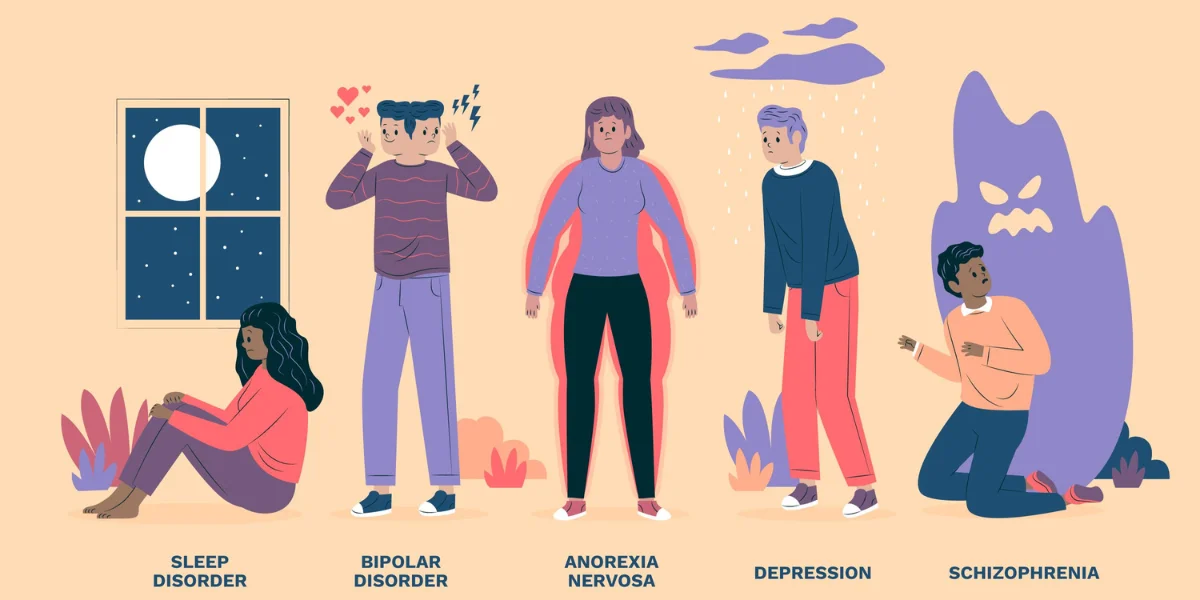
Setting clear depression treatment goals and objectives is a cornerstone of effective therapy. Depression can leave patients feeling stuck and unmotivated. Helping them set small, achievable goals helps foster a sense of accomplishment.
For example, a goal might be as simple as going for a short walk or calling a friend. Over time, these incremental steps rebuild confidence and counter the isolation often seen in stages of depression.
Counselors and therapists can collaborate with patients to develop personalized plans, an approach often practiced by therapists in Miami at mental health clinics.
5. Use Cognitive Behavioral Therapy (CBT) Techniques to Challenge Negative Thoughts
One of the most widely accepted forms of depression patient counseling is treating depression with therapy using Cognitive Behavioral Therapy (CBT). CBT targets the negative, self-defeating thoughts that fuel depression.
Patients learn to identify distorted thinking patterns and replace them with healthier, more balanced thoughts. This method has been shown to improve mood and daily functioning significantly.
For those interested in treating depression without medication, CBT offers a powerful alternative or complement to pharmaceutical options, especially when integrated into a comprehensive mental health counseling plan.
6. Encourage Social Connection and Support Systems

Social isolation worsens depressive symptoms, so encouraging patients to maintain or rebuild social ties is vital. Depressive support through friends, family, or group therapy can provide emotional nourishment and practical help.
A mental health counselor might suggest joining local support groups or reconnecting with trusted loved ones. Even online communities can offer a lifeline for patients who feel alone.
At professional facilities like the Miami mental health clinic, therapists often integrate social support strategies into therapy to improve outcomes.
7. Monitor Progress Regularly and Adapt Counseling Approaches
Since depression manifests uniquely in each individual, it’s important that depression patient counseling is flexible. Regularly monitoring the patient’s mood, motivation, and symptoms — including any changes in depression symptoms or emergence of new warning signs — ensures treatment remains effective.
Counselors should be ready to adjust techniques, explore additional interventions, or recommend referrals to psychiatrists for medication management when necessary. This personalized approach is part of comprehensive mental health therapy that addresses the full spectrum of mental health issues.
Understanding the Role of a Therapist for Depression
If you or a loved one are dealing with a mental health condition such as depression, seeking help from a qualified therapist for depression is critical. These professionals conduct thorough assessments, including a depression test, to understand symptom severity and guide treatment.
A typical mental health clinic visit may involve a mental status examination of depression patient to evaluate emotional and cognitive functioning. From there, personalized counseling and therapy sessions are designed to help patients regain control and hope.
Final Thoughts on Depression Patient Counseling
Depression is mental illness that requires compassionate and informed care. Whether you’re dealing with early signs for depression or more advanced symptoms, effective counseling can make a profound difference.
From building trust to practicing active listening, validating feelings, setting goals, and using evidence-based therapies, depression patient counseling is a pathway to healing. Remember, there are multiple treatment options including treating depression with therapy or treating depression without medication.
If you are in the Miami area, know that expert therapists in Miami at trusted mental health clinics are available to support you every step of the way.
Meet Buxani Counseling Care: Compassionate Support for Your Mental Health Journey
Meet Buxani Counseling Care is a trusted name in the field of mental health counseling, offering compassionate and personalized support for individuals facing various mental health issues including depression, anxiety, and stress-related conditions. With a team of experienced professionals serving as dedicated mental health counselors and therapists for depression, Meet Buxani Counseling Care focuses on holistic and evidence-based approaches to improve mental well-being.
Their comprehensive services include thorough mental status examination of depression patient, customized therapy sessions, and goal-oriented depression patient counseling designed to help clients navigate the stages of depression effectively. Whether you are seeking guidance on depression symptoms and sign or looking for specialized support at a reputed mental health clinic, Meet Buxani Counseling Care is committed to providing a safe space for healing and growth.
FAQ's
Yes, depression can often be treated without medication through professional counseling, cognitive-behavioral therapy, and emotional support, especially in mild to moderate cases.
Depression can be helped through a combination of treatments including counseling or therapy, medication (such as antidepressants), lifestyle changes (like regular exercise, healthy diet, and proper sleep), mindfulness practices, support groups, and building strong social connections. Early intervention and consistent care significantly improve outcomes.
Yes, counseling can be highly effective in helping individuals manage and overcome depression. Talking therapies like cognitive-behavioral therapy (CBT), interpersonal therapy (IPT), and psychodynamic therapy help patients understand their thoughts and emotions, develop coping skills, and improve their overall mental health.
The main types of counseling for depression include Cognitive Behavioral Therapy (CBT), Interpersonal Therapy (IPT), Dialectical Behavior Therapy (DBT), Psychodynamic Therapy, and Humanistic Therapy. Some individuals may also benefit from group therapy, family therapy, or newer methods like mindfulness-based cognitive therapy (MBCT) or emotional freedom technique (EFT).
Professionals who help with depression include licensed counselors, psychologists, psychiatrists, clinical social workers, and mental health therapists. In some cases, general physicians can also provide initial support or referrals. Support may also come from family members, friends, or peer support groups.
A counselor provides a safe, non-judgmental environment for individuals to talk about their thoughts and feelings. They use therapeutic techniques to help clients understand the root of their depression, change negative thinking patterns, develop coping mechanisms, and set achievable goals for recovery and mental well-being.
Depression is treated regularly and widely across the world, as it is one of the most common mental health conditions. Treatment frequency varies depending on the severity—mild cases may require weekly therapy, while moderate to severe cases may involve both frequent counseling sessions and medication management. With proper treatment, many people recover or learn to manage depression effectively.



Buxani Counseling Care
Hello ????
Can we help you?
Can we help you?
Open chat