

Best Adolescence Therapy in Miami: Helping Teens Build Emotional Strength and Resilience
Adolescence is a critical stage of emotional, social, and psychological development. During these years, teens face academic pressure, changing relationships, identity exploration, and increasing responsibilities. Professional support can help them navigate these challenges with confidence. At Buxani Counseling Care, our approach focuses on creating a safe and supportive environment where young individuals can express themselves openly and develop healthy coping strategies. Through adolescence therapy in Miami, teens gain valuable tools to manage emotions, improve communication, and build resilience. Our specialized adolescence therapy in Miami services are designed to support long-term emotional growth and overall well-being.What Is Adolescence Therapy?
Adolescence therapy is a specialized form of counseling designed to address the unique emotional, behavioral, and developmental needs of teenagers. It provides a confidential space where teens can discuss their thoughts, feelings, and concerns with a trained professional. Through structured sessions, therapists help adolescents improve self-awareness, emotional regulation, and problem-solving skills. Effective adolescence therapy in Miami can assist teens dealing with stress, anxiety, social challenges, and family conflicts. At Buxani Counseling Care, our personalized approach ensures every teen receives guidance tailored to their individual needs. Our adolescence therapy in Miami programs focus on fostering confidence, resilience, and healthy emotional development.Why Is Adolescent Mental Health Important?
Adolescent mental health plays a significant role in shaping a young person’s future relationships, academic success, and overall quality of life. Emotional well-being during the teenage years influences how individuals handle challenges, make decisions, and build self-esteem. Untreated mental health concerns can impact daily functioning and long-term personal growth. Seeking professional support through adolescence therapy in Miami allows teens to develop healthy coping mechanisms and emotional resilience. At Buxani Counseling Care, we understand the importance of early intervention and compassionate care. Our adolescence therapy in Miami services help teenagers build the skills needed to thrive emotionally, socially, and academically.Common Challenges Teens Face Today
Modern teenagers face a wide range of pressures that can affect their mental and emotional well-being. Academic expectations, social media influence, peer pressure, family changes, and concerns about the future often create significant stress. Many teens also struggle with self-confidence, anxiety, mood changes, and relationship issues. Professional adolescence therapy in Miami can help adolescents better understand these challenges and develop practical strategies to overcome them. At Buxani Counseling Care, we provide guidance that empowers teens to manage emotions effectively and build healthier habits. Through personalized adolescence therapy in Miami, young individuals can gain confidence and navigate life’s challenges more successfully.Why Families Choose Buxani Counseling Care for Teen Therapy in Miami
Families trust Buxani Counseling Care because of our compassionate, client-centered approach to adolescent mental health. We understand that every teenager has unique experiences, concerns, and goals. Our experienced therapists work closely with both teens and families to foster understanding, communication, and emotional growth. Through evidence-based adolescence therapy in Miami, we help young individuals build resilience, confidence, and healthier coping skills. Parents appreciate our supportive environment and commitment to personalized care. By choosing our adolescence therapy in Miami services, families gain access to professional guidance that promotes positive emotional development and long-term well-being for their teens.Best Adolescence Therapy in Miami: Helping Teens Build Emotional Strength and Resilience
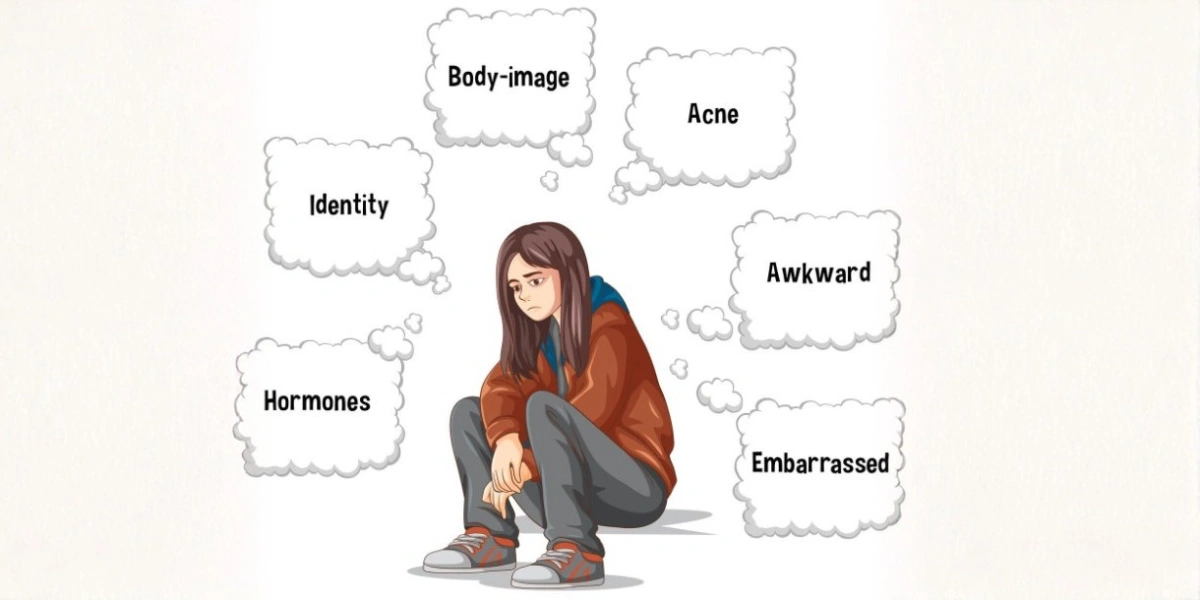
Adolescence is one of the most transformative stages of life. Teenagers face academic pressure, social expectations, identity exploration, emotional changes, family dynamics, and increasing responsibilities. While these experiences are a natural part of growing up, they can sometimes become overwhelming and affect a teen’s emotional well-being.
This is where professional adolescence therapy can make a meaningful difference. At Buxani Counseling Care, adolescents receive compassionate, personalized support designed to help them navigate emotional challenges, develop healthy coping mechanisms, and build lifelong resilience. As a trusted mental health clinic in Miami, Buxani Counseling Care provides therapy services that empower teenagers to thrive emotionally, socially, and academically.
What Is Adolescence Therapy?

Adolescence therapy is a specialized form of counseling that helps teenagers manage emotional, behavioral, social, and psychological challenges during their developmental years.
Teen therapy focuses on helping adolescents:
1. Understand and express emotions effectively
2. Manage stress and anxiety
3. Build self-confidence
4. Improve communication skills
5. Navigate family and peer relationships
6. Develop healthier coping strategies
7. Strengthen emotional resilience
At Buxani Counseling Care, therapy is tailored to each teenager’s unique needs, personality, challenges, and goals. This personalized approach helps teens feel heard, respected, and supported throughout their mental health journey.
Adolescence therapy is professional counseling designed to help teenagers manage emotional, behavioral, social, and mental health challenges while developing healthy coping skills.
Most adolescents between the ages of 12 and 18 can benefit from therapy if they experience emotional distress, anxiety, depression, or behavioral changes.
Yes. Adolescence therapy focuses on teenage development, identity, peer relationships, academic stress, independence, and emotional regulation, making it different from therapy for younger children.
Any teenager experiencing stress, anxiety, depression, trauma, ADHD, family conflict, or social difficulties can benefit from adolescence therapy in Miami.
Therapists create a confidential, judgment-free environment where teens feel comfortable discussing their thoughts, emotions, and experiences.
Early therapeutic support can reduce the risk of long-term emotional challenges by teaching healthy coping strategies and resilience.
Why Is Adolescent Mental Health Important?

Mental health plays a critical role in a teenager’s ability to learn, build relationships, make decisions, and develop a healthy sense of self.
Without proper support, unresolved emotional struggles can impact:
1. Academic performance
2. Social relationships
3. Family dynamics
4. Self-esteem
5. Emotional regulation
6. Overall quality of life
Early intervention through professional counseling can help teenagers address challenges before they become long-term concerns. Therapy provides a safe environment where adolescents can openly discuss their thoughts, feelings, and experiences without fear of judgment.
Good mental health during adolescence supports healthy emotional development, academic success, stronger relationships, and better decision-making throughout adulthood.
Warning signs may include mood swings, withdrawal from friends, declining grades, sleep changes, anxiety, irritability, or loss of interest in favorite activities.
Without proper support, mental health concerns may impact school performance, relationships, confidence, physical health, and future emotional well-being.
Yes. Open communication, emotional support, healthy routines, and timely professional counseling can positively influence a teenager’s mental health.
Mental health conditions are increasingly common among teenagers, making early awareness and intervention essential.
Parents should consider therapy when emotional or behavioral changes persist, interfere with daily life, or significantly affect school, family, or social relationships.
Common Challenges Teens Face Today

Modern teenagers face unique pressures that previous generations may not have experienced to the same extent.
Academic Stress and Performance Pressure
Many teenagers struggle with:
1. School workload
2. Exam anxiety
3. College preparation
4. Career expectations
5. Performance-related stress
Constant pressure to succeed can contribute to anxiety, burnout, and emotional exhaustion.
Anxiety and Overthinking
Teen anxiety is increasingly common. Adolescents may experience:
1. Social anxiety
2. Fear of failure
3. Excessive worry
4. Panic symptoms
5. Difficulty concentrating
Professional therapy helps teens understand anxiety triggers and develop effective stress-management techniques.
Self-Esteem and Confidence Issues
Social media comparisons, peer pressure, and personal insecurities can negatively impact self-confidence.
Many teenagers struggle with:
1. Negative self-talk
2. Low self-worth
3. Body image concerns
4. Fear of rejection
5. Difficulty fitting in
Therapy helps adolescents develop a healthier self-image and stronger sense of identity.
Depression and Emotional Withdrawal
Teen depression may present differently than adult depression.
Signs may include:
1. Persistent sadness
2. Irritability
3. Loss of motivation
4. Social withdrawal
5. Emotional numbness
6. Reduced academic performance
Early therapeutic intervention can provide valuable emotional support and coping tools.
Family and Relationship Challenges
Communication difficulties between parents and teenagers can create emotional stress within the family.
Therapy can help:
1. Improve communication
2. Build trust
3. Resolve conflicts
4. Strengthen family relationships
5. Foster emotional understanding
Many teens experience anxiety, academic stress, peer pressure, low self-esteem, social media stress, depression, and identity-related concerns.
Excessive social media use may contribute to anxiety, comparison, cyberbullying, reduced self-confidence, and increased emotional stress.
Yes. Academic expectations, exams, extracurricular activities, and future career concerns can create significant stress for adolescents.
Peer pressure can affect decision-making, confidence, relationships, academic performance, and emotional well-being.
Hormonal changes, brain development, and life transitions make it more difficult for adolescents to regulate emotions consistently.
Yes. Therapy helps teens build resilience, improve emotional regulation, strengthen communication skills, and develop healthier coping strategies.
Why Families Choose Buxani Counseling Care for Teen Therapy in Miami

When parents search for the best adolescence therapy in Miami, they want a counseling center that understands the unique emotional needs of teenagers.
Buxani Counseling Care stands out because of its:
Personalized Therapy Approach
Every adolescent is different. Therapy plans are customized to address the teenager’s individual emotional, behavioral, and psychological needs.
Safe and Judgment-Free Environment
Teenagers often hesitate to discuss personal struggles. Buxani Counseling Care provides a confidential and supportive space where adolescents can express themselves openly.
Experienced Mental Health Professionals
The therapists at Buxani Counseling Care understand the complexities of adolescent development and provide evidence-based counseling techniques designed specifically for teenagers.
Family-Centered Support
Parents play an important role in adolescent mental health. Therapy may include family guidance and communication strategies that strengthen support systems at home.
Families choose Buxani Counseling Care because of its personalized therapy approach, experienced mental health professionals, and supportive environment for teenagers.
Yes. Every therapy plan is customized based on the teenager’s emotional needs, personal goals, and mental health concerns.
When appropriate, therapists collaborate with parents to improve communication, strengthen family relationships, and support the teenager’s progress.
The clinic supports teens dealing with anxiety, depression, ADHD, trauma, stress, emotional regulation, behavioral concerns, and family conflicts.
Yes. Confidentiality is maintained while ensuring parents remain appropriately involved when necessary for the teenager’s well-being.
Local therapists understand community resources, school environments, and cultural factors that may influence a teenager’s mental health journey.
Benefits of Adolescence Therapy

Professional counseling can positively impact many areas of a teenager’s life.
Better Emotional Regulation
Therapy helps teens identify emotions, understand triggers, and respond to challenges in healthier ways.
Reduced Anxiety and Stress
Counseling provides practical techniques for managing stress, reducing anxiety, and improving emotional balance.
Improved Self-Esteem
Teenagers learn to challenge negative thought patterns and develop greater self-confidence.
Stronger Relationships
Improved communication skills help adolescents build healthier relationships with family members, friends, and peers.
Increased Resilience
Therapy equips teenagers with coping skills that support long-term emotional wellness and future success.
Better Academic Focus
Reduced emotional distress often leads to improved concentration, motivation, and academic performance.
Therapy helps teenagers improve emotional resilience, communication skills, self-confidence, stress management, and healthy decision-making.
Yes. Better emotional regulation and reduced anxiety often improve concentration, motivation, and overall school performance.
Therapy often strengthens communication, reduces conflicts, and helps families better understand each other’s perspectives.
Therapists help teens recognize strengths, challenge negative thinking, develop healthy self-esteem, and improve emotional awareness.
Evidence-based therapy can significantly reduce symptoms of anxiety, depression, and emotional distress while promoting healthier coping skills.
Progress varies, but many teenagers begin noticing positive emotional and behavioral changes after several consistent therapy sessions.
What Happens During Adolescence Therapy Sessions?

At Buxani Counseling Care, therapy typically involves:
1. Initial assessment and goal setting
2. Building trust and therapeutic connection
3. Emotional awareness and self-discovery
4. Developing coping strategies
5. Addressing specific emotional concerns
6. Strengthening communication skills
7. Family support when appropriate
Each session is designed to help teenagers gain greater emotional insight while building practical skills for managing everyday challenges.
The therapist learns about the teenager’s concerns, emotional history, goals, family dynamics, and current challenges to create a personalized treatment plan.
Most therapy sessions last between 45 and 60 minutes, depending on the treatment plan and individual needs.
Not always. Some sessions are individual, while others include parents or family members when it supports the therapeutic process.
Therapists may use Cognitive Behavioral Therapy (CBT), mindfulness, talk therapy, emotional regulation strategies, and family-based interventions.
No. Therapists respect each teenager’s pace and gradually build trust to encourage open communication.
Therapists regularly review emotional progress, coping skills, personal goals, behavioral improvements, and family feedback throughout treatment.
How Buxani Care Can Help
Teenage years can be challenging, but adolescents do not have to face those challenges alone. Professional counseling provides the support, guidance, and emotional tools teenagers need to navigate life’s complexities with confidence.
At Buxani Counseling Care, adolescents receive compassionate and personalized mental health support that helps them manage stress, strengthen resilience, improve self-esteem, and build healthier futures. For families seeking trusted adolescence therapy in Miami, Buxani Counseling Care offers a supportive path toward lasting emotional wellness.
FAQ's
Parents can encourage therapy by having open, non-judgmental conversations, explaining the benefits of counseling, and involving their teen in choosing a therapist. Respecting their concerns and emphasizing support rather than punishment can make them more receptive.
Yes. Adolescence therapy helps teens navigate major life changes such as starting high school, moving to a new city, parental separation, loss of a loved one, or preparing for college by building healthy coping strategies.
Absolutely. Licensed therapists create personalized treatment plans based on the teenager’s age, emotional concerns, personality, goals, and overall mental health needs.
Yes. Therapy helps adolescents develop stronger communication skills, build healthy friendships, resolve conflicts, and increase confidence in social situations.
Therapy sessions are generally confidential. However, therapists may involve parents or guardians if there are safety concerns or if collaboration is necessary to support the teen’s well-being.
Families should look for a licensed therapist with experience in adolescent mental health, evidence-based treatment approaches, strong communication skills, and a supportive, teen-friendly environment.
Yes. Therapy encourages healthy decision-making, emotional responsibility, problem-solving skills, and self-awareness, helping teenagers become more independent and confident.
Therapists work collaboratively with teens to identify realistic goals related to emotional well-being, school, relationships, confidence, and personal development while tracking progress over time.
Early intervention helps address emotional challenges before they become more severe, improving resilience, relationships, academic performance, and overall quality of life into adulthood.


Buxani Counseling Care
Hello ????
Can we help you?
Can we help you?
Open chat