

ADHD Therapy for Teenagers
ADHD therapy for teenagers plays a vital role in helping teens manage daily challenges like disorganization, poor focus, and impulsivity. For those suffering with ADHD, early support can improve executive functioning and confidence. A professional ADHD assessment at a trusted Mental Health Clinic in Miami helps identify concerns accurately. Once diagnosed, therapy plans are tailored to address individual ADHD symptoms, enabling teens to build structure, improve routines, and function better at school and home.
Types of Therapy for ADHD
Different approaches to therapy for ADHD are designed to support teens based on their unique needs. After an ADHD assessment, professionals may recommend behavioral therapy, cognitive behavioral therapy, or skill-based coaching. These therapies help teens understand and manage ADHD symptoms effectively. At a Mental Health Clinic in Miami, structured interventions are used for those suffering with ADHD, ensuring they develop better organization, time management, and emotional control through consistent support.
Symptoms for ADHD in Teenagers
Recognizing symptoms for ADHD in teenagers is key to early intervention. Teens may struggle with focus, forget tasks, act impulsively, or feel overwhelmed by simple responsibilities. These ADHD symptoms often affect school performance and relationships. If a teen is consistently suffering with ADHD, a professional ADHD assessment or ADHD test at a Mental Health Clinic in Miami can provide clarity. Early identification helps in planning the right therapy for ADHD and long-term support.
Teens with ADHD
Teens with ADHD often face challenges in staying organized, managing time, and handling responsibilities. These difficulties are not due to lack of effort but are linked to executive functioning delays. Many ADHD patients benefit from early ADHD assessment to understand their needs. When suffering with ADHD, teens may feel frustrated or misunderstood. With guidance from a Mental Health Clinic in Miami, they can access structured therapy for ADHD that helps them build independence and confidence over time.
Help for Teenagers
Providing the right help for teenagers with ADHD starts with awareness and timely intervention. A detailed ADHD assessment at a Mental Health Clinic in Miami can identify challenges early for teens suffering with ADHD. Once diagnosed, appropriate therapy for ADHD can address key ADHD symptoms and improve daily functioning. With the right support system, teens learn essential skills like planning, focus, and emotional control, helping them succeed academically and personally.
Teenagers today are managing school pressure, social expectations, and constant digital distractions. For those with ADHD, even simple daily tasks can feel overwhelming. Struggles with organization, time management, and focus are often linked to something deeper executive functioning.
Understanding executive functioning is key to recognizing why teens struggle, and how adhd therapy for teenagers can help them build real-life skills that last well into adulthood.
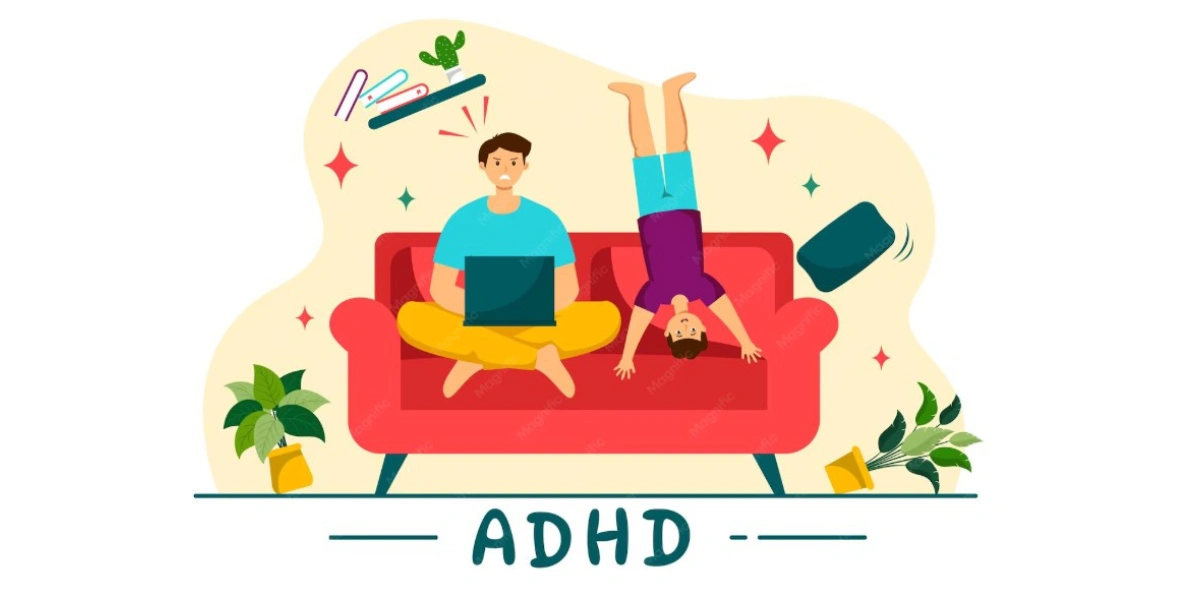
What Is Executive Functioning?
Executive functioning refers to the brain’s ability to plan, organize, manage time, and regulate behavior. Think of it as the brain’s “control center.”
Teens rely on executive functioning to:
1. Stay organized with schoolwork
2. Complete assignments on time
3. Manage emotions
4. Focus on tasks
5. Make decisions
For many ADHD patients, these skills don’t come naturally. This is why they often need structured therapy for ADHD to strengthen these abilities over time.
There are 8 key executive functions that adhd therapy for teenagers typically targets:
1. Impulse Control:
Thinking before acting.
Thinking before acting.
2. Emotional Control:
Keeping feelings in check.
Keeping feelings in check.
3. Flexible Thinking:
Adjusting to change or new information.
Adjusting to change or new information.
4. Working Memory:
Holding information in mind to complete a task.
Holding information in mind to complete a task.
5. Self-Monitoring:
Checking in on one’s own performance.
Checking in on one’s own performance.
6. Planning and Prioritization:
Deciding what’s important and mapping out a path.
Deciding what’s important and mapping out a path.
7. Task Initiation:
Just… getting started.
Just… getting started.
8. Organization:
Keeping track of things (physically and mentally).
Keeping track of things (physically and mentally).

Common Symptoms for ADHD in Teenagers
Recognizing the symptoms for ADHD is the first step toward getting the right help. These symptoms often go beyond just “lack of attention.”
Some key signs include:
1. Difficulty staying focused on tasks
2. Frequently losing items like books or phones
3. Forgetting deadlines and responsibilities
4. Impulsive decision-making
5. Trouble following instructions
6. Emotional outbursts or frustration
These challenges directly impact executive functioning, making organization especially difficult.
If these signs are consistent, it may be time to consider an ADHD test or a professional diagnosis for ADHD.
Why are teens with ADHD usually more unorganized?
Teens with ADHD are not disorganized by choice. Their brain processes information differently, making it harder to:
1. Prioritize tasks
2. Start and finish assignments
3. Break down complex work
4. Maintain routines
Without support, this can lead to academic struggles and low self-esteem.
This is where adhd therapy for teenagers plays a transformative role not just managing symptoms but teaching practical skills.

How ADHD Therapy Helps Teens Get Organized
The goal of adhd therapy for teens is not perfection it’s progress. Therapy focuses on building systems and habits that work for the individual.
1. Teaching Time Management Skills
Many teens with ADHD struggle to understand time. Therapy helps them:
1. Break tasks into smaller steps
2. Use planners and digital tools
3. Set realistic goals
4. Avoid last-minute stress
These are foundational skills that improve both academic and personal life.
2. Building Personalized Organization Systems
Generic advice like “just stay organized” doesn’t work. Therapy introduces customized systems such as:
1. Color-coded folders
2. Daily checklists
3. Structured routines
These systems are simple but effective, especially when practiced consistently through adhd therapy activities.
3. Using ADHD Therapy Activities
One of the most effective ways to improve executive functioning is through structured adhd therapy activities.
These may include:
1. Task prioritization games
2. Planning exercises
3. Memory-building challenges
4. Role-playing real-life situations
These adhd therapy activities for teens make learning interactive and practical, helping teens apply skills in real-world situations.
4. Improving Focus and Attention
Staying focused is one of the biggest challenges for teens with ADHD. Therapy introduces strategies like:
1. The Pomodoro technique (short, focused work sessions)
2. Minimizing distractions (phone control, study environment)
3. Mindfulness exercises
These techniques train the brain to sustain attention gradually, without overwhelming the teen.
5. Strengthening Emotional Control
Executive functioning also includes emotional regulation. Many teens with ADHD struggle with frustration and impulsivity.
Through therapy for ADHD, they learn:
1. How to pause before reacting
2. Ways to manage stress
3. Techniques to stay calm under pressure
This emotional balance directly improves their ability to stay organized and productive.
6. Enhancing Problem-Solving Skills
Teens often get stuck when faced with complex tasks. Instead of knowing how to start, they shut down.
Through adhd therapy for teenagers, they learn:
1. How to break problems into manageable steps
2. Decision-making frameworks
3. Flexible thinking
This builds independence and reduces reliance on constant reminders from parents or teachers.

Types of Therapy for ADHD That Work Best
Different approaches to therapy for ADHD can support executive functioning in unique ways:
Helps teens change negative thought patterns and build productive habits.
2. Behavioral Therapy
Uses structured rewards to reinforce positive behaviors like completing tasks.
3. Skill-Based Coaching
Focuses on practical skills such as planning, organization, and time management.
4. Family-Based Support
Involves parents in creating supportive routines at home.

Real-Life Impact of ADHD Therapy For Teenagers
With consistent adhd therapy for teenagers, the improvements go beyond just academics.
Teens often experience:
1. Better grades and school performance
2. Increased confidence
3. Reduced stress and anxiety
4. Improved relationships at home
5. Greater independence
For many ADHD patients, therapy becomes a turning point that helps them feel more in control of their lives.

Supporting Teens at Home
Parents play a crucial role in reinforcing what teens learn in therapy.
Here’s how you can help:
1. Keep Instructions Simple
Avoid giving too many directions at once.
2. Build Consistent Routines
Daily structure reduces confusion and stress.
3. Use Visual Tools
Calendars, reminders, and apps support organization.
4. Encourage Effort, Not Perfection
Celebrate small achievements.
5. Stay Patient
Executive functioning skills take time to develop.
When to Seek Help for Teenagers
If your teen consistently struggles with:
1. Organization and time management
2. Completing tasks
3. Managing emotions
4. Meeting daily responsibilities
it may be time to visit a Mental Health Clinic for an ADHD test and a professional ADHD evaluation. Early support can prevent long-term challenges and help teens build essential life skills.
Final Thoughts
Executive functioning challenges can make everyday life difficult for teens with ADHD, but the right support can change everything.
Through structured adhd therapy for teenagers, and professional guidance, teenagers can learn how to organize their lives, manage their time, and build confidence.
ADHD is not a limitation; it’s a different way of thinking. With the right tools and support, teens can turn their challenges into strengths and thrive in every area of life.
How Buxani Counseling Care Can Help Teens
At a trusted Mental Health Clinic in Miami, Buxani Counseling Care focuses on accurate diagnosis for teenagers suffering with ADHD. Their experts understand how ADHD symptoms show up differently in teens like disorganization, impulsivity, and difficulty focusing in school. Through a structured ADHD assessment, they use reliable screening methods to clearly identify challenges. This detailed evaluation helps teens and parents understand what’s really going on, removing confusion and guesswork. With the right diagnosis, families can take informed next steps and choose the most effective support for their teen’s growth and daily functioning.
FAQ's
The primary goal is not perfection, but progress through building personalized systems and habits that help teens manage symptoms for ADHD in teenagers like disorganization and impulsivity.
Executive functioning acts as the brain’s “control center”; for teens with ADHD, delays in this area make it difficult to plan, prioritize tasks, and regulate emotions naturally.
Key signs include difficulty staying focused, frequently losing items, forgetting deadlines, impulsive decision-making, and experiencing emotional outbursts or frustration.
Effective approaches include Cognitive Behavioral Therapy (CBT) for habit building, Behavioral Therapy for reinforcing positive actions, and Skill-Based Coaching for practical organization.
Disorganization isn’t a choice; the ADHD brain processes information differently, making it harder to break down complex work or maintain consistent daily routines.
ADHD therapy for teenagers often includes interactive exercises like task prioritization games, memory-building challenges, and role-playing real-life scenarios to build independence.
Parents can support their teens by keeping instructions simple, building consistent daily routines, using visual tools like calendars, and celebrating small achievements rather than perfection.
You should visit a Mental Health Clinic for a professional evaluation if your teen consistently struggles with managing emotions, meeting responsibilities, or staying organized.


Buxani Counseling Care
Hello ????
Can we help you?
Can we help you?
Open chat