

Condition
Low self-esteem refers to a persistent pattern of negative or critical thoughts and feelings about yourself, your abilities, appearance, worth, or accomplishments.
In-person & telehealth appointments
Overview
Low Self-Esteem
Low self-esteem refers to a persistent pattern of negative or critical thoughts and feelings about yourself, your abilities, appearance, worth, or accomplishments. It can affect how you see yourself, interact with others, make decisions, and respond to challenges.
Everyone experiences self-doubt occasionally. However, when negative self-beliefs become persistent and begin affecting relationships, work, school, or everyday life, professional mental health support may be helpful.
Need support with what you're experiencing?
If self-doubt or negative thoughts about yourself are affecting your daily life, Buxani Counseling Care can help you explore your concerns with a qualified mental health professional.
Definition
Self-esteem refers to how a person views and evaluates themselves. It can influence confidence, decision-making, relationships, motivation, and the way someone responds to success and failure.
A person experiencing low self-esteem may frequently focus on perceived weaknesses while minimizing their strengths or accomplishments.
Common experiences may include:
Feeling inadequate
Constant self-criticism
Comparing yourself with others
Difficulty accepting compliments
Fear of making mistakes
Feeling undeserving of success
Seeking frequent reassurance
Difficulty setting boundaries
Feeling overly sensitive to criticism
Doubting your abilities
Low self-esteem can develop gradually and may be influenced by experiences throughout childhood, adolescence, and adulthood.

Causes
Low self-esteem can have many contributing factors. It is not caused by one experience or circumstance in every person. Possible contributing factors include:
Childhood criticism
Bullying
Social rejection
Family conflict
Difficult relationships
Academic difficulties
Workplace criticism
Experiences of failure
Trauma
Social comparison
Unrealistic expectations
Negative body image
Major life changes
Discrimination
Persistent stress
Repeated negative experiences can sometimes influence how a person interprets themselves and their abilities.
Signs
Low self-esteem can affect thoughts, emotions, behavior, and relationships.
Emotional Signs
Self-doubt
Shame
Guilt
Embarrassment
Anxiety
Sadness
Feeling inadequate
Fear of rejection
Feeling unworthy
Difficulty feeling proud of accomplishments
Cognitive Signs
"I'm not good enough."
"I always make mistakes."
"Other people are better than me."
"I don't deserve this."
"People will judge me."
"I can't do this."
"I will probably fail."
Behavioral Signs
Avoiding new experiences
Difficulty making decisions
Seeking reassurance
Avoiding attention
Giving up easily
Difficulty accepting feedback
People-pleasing
Avoiding social situations
Difficulty setting boundaries
Not expressing personal needs
Not everyone with low self-esteem experiences all of these signs. The impact can vary from person to person.
Children & Teens
Children and teenagers are developing their identities, social relationships, and understanding of their abilities. Experiences at home, school, online, and within friendships can influence self-esteem. Possible signs of low self-esteem in young people include:
Avoiding participation in activities
Frequent self-criticism
Fear of making mistakes
Difficulty making friends
Social withdrawal
Excessive concern about appearance
Changes in school performance
Difficulty accepting praise
Comparing themselves with others
Increased sensitivity to criticism
Parents and caregivers who notice persistent changes in a child's or teenager's confidence or behavior may benefit from speaking with a qualified mental health professional. Explore Teenage Therapy for additional information about mental health support for teenagers.
Adults
Adults may experience low self-esteem in personal, professional, and social situations.
Workplace criticism, relationship difficulties, financial pressure, major life transitions, social comparison, or past experiences can influence how someone views themselves.
Low self-esteem in adults may appear as:
Difficulty advocating for yourself
Fear of failure
Difficulty accepting compliments
Avoiding opportunities
Relationship insecurity
People-pleasing
Difficulty setting boundaries
Excessive self-criticism
Comparing yourself with others
Lack of confidence at work
Therapy can provide a supportive environment to explore these patterns and develop healthier ways of thinking about yourself.

Relationships
Self-esteem can influence how people communicate, establish boundaries, handle disagreements, and interpret their relationships. Someone experiencing low self-esteem may:
Fear abandonment
Constantly seek reassurance
Have difficulty expressing needs
Tolerate unhealthy behavior
Avoid conflict
Feel unworthy of a healthy relationship
Frequently compare themselves to others
Struggle to trust positive feedback
Building healthier self-esteem can support more balanced communication, stronger boundaries, and healthier relationships.
Anxiety
Low self-esteem and anxiety can sometimes occur together.
When someone frequently doubts their abilities or expects negative outcomes, they may become increasingly worried about making mistakes, being judged, or being rejected. This can contribute to:
Excessive worrying
Social anxiety
Avoidance
Fear of failure
Difficulty making decisions
Overthinking
Physical tension
A mental health professional can assess the relationship between self-esteem concerns and anxiety symptoms and recommend appropriate support.

Depression
Low self-esteem can also occur alongside depression.
Persistent negative beliefs about yourself may contribute to feelings of hopelessness, low motivation, sadness, or loss of interest.
Depression can also reinforce negative self-perceptions, creating a cycle that may be difficult to break without support. Possible overlapping symptoms include:
Low mood
Loss of interest
Fatigue
Feelings of worthlessness
Difficulty concentrating
Changes in sleep
Changes in appetite
Reduced motivation
If these symptoms persist or interfere with daily functioning, professional evaluation can help determine appropriate treatment.
Body Image
Body image refers to how a person thinks and feels about their physical appearance.
Negative body image can contribute to low self-esteem, particularly when individuals compare themselves with unrealistic social or cultural standards. Concerns may include:
Constantly criticizing appearance
Comparing yourself with others
Avoiding photographs
Feeling uncomfortable in social situations
Excessive concern about appearance
Seeking reassurance about physical appearance
Therapy can help individuals explore the thoughts and experiences contributing to negative self-perception.
Social Comparison
Comparing yourself with other people is common, especially in environments where people are constantly exposed to carefully presented images of other people's lives. Frequent comparison may lead to thoughts such as:
"Everyone is doing better than me."
"I'm not successful enough."
"I don't look as good as other people."
"I should be further ahead."
Learning to recognize unhelpful comparison patterns can be an important part of developing healthier self-esteem.
Comparison
Low Self-Esteem vs. Low Confidence
Low self-esteem and low confidence are related but not exactly the same.
| Factor | Low Self-Esteem | Low Confidence |
|---|---|---|
| Meaning | Negative beliefs or feelings about your overall worth or yourself | Doubt about your ability to perform a particular task or handle a situation |
| Focus | Often broader and related to self-worth | Usually related to a specific skill, situation, or activity |
| Example | "I'm not good enough." | "I'm not sure I can give this presentation." |
| Impact | Can affect relationships, decisions, emotions, and daily functioning | May mainly affect performance or willingness to attempt certain activities |
| Support | May involve exploring deeper beliefs and emotional patterns | May involve skill-building, practice, and addressing fear of failure |
A person can experience low confidence in one area while still having healthy overall self-esteem.
Evaluation
Low self-esteem itself is not necessarily a mental health diagnosis. A mental health professional may explore self-esteem concerns as part of a broader assessment. The assessment may consider:
Current concerns
Negative thought patterns
Emotional symptoms
Behavioral patterns
Relationships
Family experiences
Previous experiences
Anxiety or depression symptoms
Daily functioning
Personal goals
Coping strategies
This can help identify whether low self-esteem is occurring alongside another mental health concern and determine what type of support may be appropriate.
Therapy
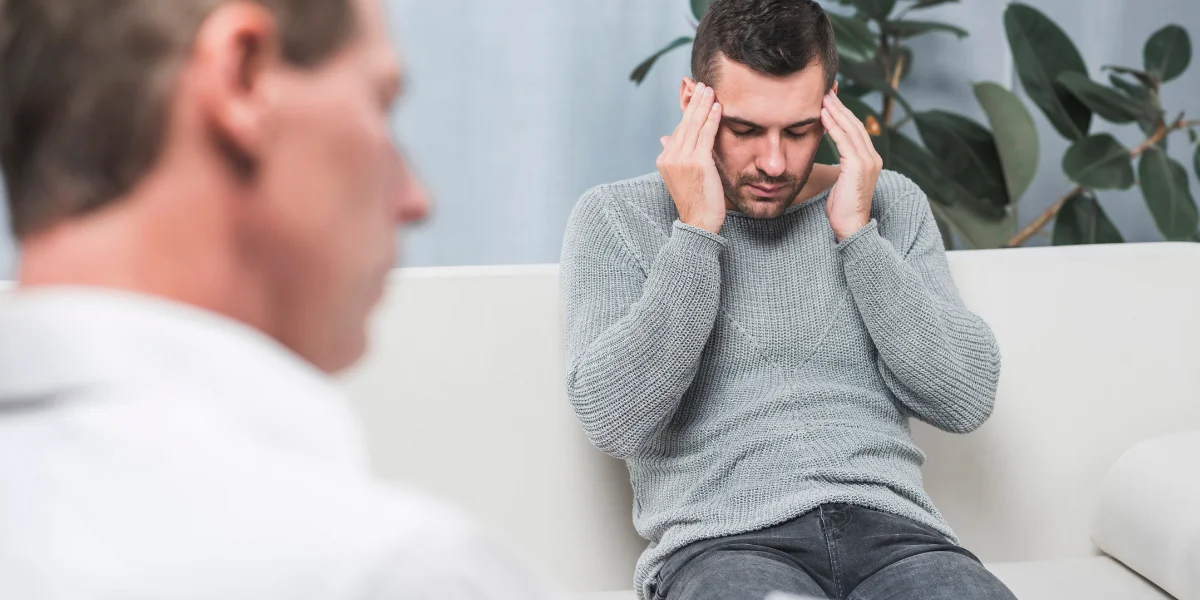
Therapy can provide a supportive environment for understanding negative self-beliefs and developing healthier patterns. Therapy may help individuals:
Recognize negative thinking patterns
Develop more balanced self-perceptions
Improve emotional regulation
Build confidence
Establish healthy boundaries
Improve communication
Manage anxiety
Address relationship concerns
Develop healthier coping strategies
Set realistic goals
Treatment is personalized because the experiences contributing to low self-esteem differ from person to person.
Improve
Developing healthier self-esteem is usually a gradual process. Helpful strategies may include:
Recognizing personal strengths
Setting realistic goals
Challenging negative self-talk
Practicing self-compassion
Limiting unhealthy comparisons
Celebrating progress
Setting healthy boundaries
Spending time with supportive people
Developing new skills
Maintaining healthy routines
Learning from mistakes rather than defining yourself by them
These strategies can complement professional support when additional help is needed.
Duration
How Long Does It Take to Improve Self-Esteem?
There is no specific timeline for improving self-esteem. Progress depends on factors such as how long the negative beliefs have been present, the experiences contributing to them, current circumstances, available support, and individual goals.
Some people notice changes relatively quickly, while others may need longer-term therapy and practice.
Consistent effort, supportive relationships, and professional guidance can help individuals develop healthier ways of relating to themselves.
When To Seek Help
When Should You Seek Help for Low Self-Esteem?
Consider speaking with a mental health professional if low self-esteem:
Interferes with relationships
Affects work or school
Prevents you from pursuing opportunities
Causes significant anxiety
Contributes to persistent sadness
Leads to social withdrawal
Makes decision-making difficult
Causes constant self-criticism
Makes it difficult to set boundaries
Significantly affects daily life
You do not need to wait until self-esteem concerns become severe before seeking support. Explore Buxani Counseling Care
Miami Therapy
If low self-esteem is affecting your relationships, confidence, emotional well-being, work, school, or daily life, Low Self-Esteem Therapy in Miami can provide a supportive environment to explore these concerns.
Buxani Counseling Care offers personalized mental health counseling for individuals experiencing self-doubt, negative self-perception, relationship difficulties, anxiety, depression, and other emotional concerns.
Our mental health clinic in Miami provides individualized therapy based on your concerns, circumstances, and goals. Depending on your needs and availability, appointments may be offered through in-person counseling or secure telehealth therapy.

Our Approach
How Buxani Counseling Care Can Help
Low self-esteem can affect the way you view yourself, approach relationships, respond to challenges, and make decisions. With appropriate support, it is possible to develop healthier patterns of thinking and build a more balanced sense of self.
Buxani Counseling Care provides mental health counseling in Miami for individuals, teenagers, couples, and families experiencing a range of emotional and psychological concerns. Our therapists provide a supportive environment where clients can discuss their experiences openly and work toward individualized goals.
Therapy may help you:
Understand patterns of self-criticism
Develop healthier self-talk
Improve emotional regulation
Build confidence
Strengthen relationships
Establish healthy boundaries
Manage anxiety and stress
Improve communication
Develop healthier coping strategies
Work toward meaningful personal goals
Our approach is individualized because every person's experiences and mental health needs are different.
Related Services
Learn More About Our Mental Health Services
Learn more about our mental health services treated at Buxani Counseling Care.

Individual Therapy
At Buxani Counseling Care, our therapists understand the gravity of these issues and how they can impact us.
Read More
Cognitive Behavioral Therapy
Cognitive Behavioral Therapy (CBT) aims to identify and change negative thought patterns and behaviors to help achieve better emotional.
Read More
Dialectical Behavior Therapy
Dialectical Behavior Therapy (DBT) is a therapy that helps regulate emotions, cope with stress, improve interpersonal skills.
Read MoreRelated Blogs
Explore Articles & Blogs Concerning Mental Health
Explore articles and blogs concerning mental health.


