
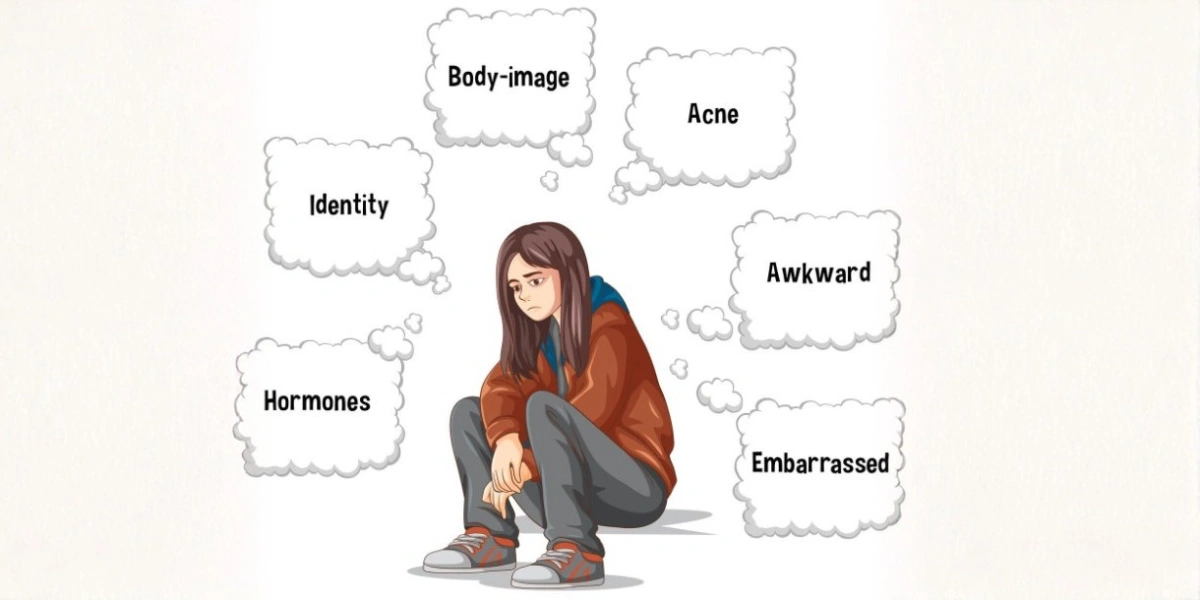
Signs of Mental Health Problems in Teenagers
The transition from childhood to adulthood is rarely a smooth path, but for many families, the typical “growing pains” can mask something much deeper. Understanding the signs of mental health problems in teenagers is essential for any parent, educator, or guardian who wants to provide a safety net during these formative years. While occasional moodiness is a rite of passage, persistent changes in a teen’s personality, social habits, or physical health are often the brain’s way of signaling for help. By learning to identify these indicators early, we can bridge the gap between suffering in silence and finding a path toward recovery, ensuring that our youth feel seen, heard, and supported before a crisis occurs.Common Mental Health Issues in Teenagers
The landscape of adolescent psychology is complex, as common mental health issues in teenagers often present differently than they do in adults. Anxiety disorders, including social anxiety and generalized anxiety, are currently among the most prevalent challenges, frequently exacerbated by the high-pressure environment of social media and academic competition. Depression is another significant concern, often manifesting as extreme irritability or physical lethargy rather than just persistent sadness. Furthermore, attention-deficit/hyperactivity disorder (ADHD) and emerging eating disorders can significantly impact a teen’s ability to function. Recognizing that these conditions are medical issues—not character flaws is the first step in de-stigmatizing the conversation and encouraging young people to speak openly about their internal struggles.Teens Struggling with Mental Health
It is heart-wrenching to watch teens struggling with mental health, as they often lack the vocabulary or the emotional maturity to explain the turmoil they are experiencing. Many teenagers feel an immense pressure to “perform” happiness for their peers and parents, leading to a phenomenon known as “smiling depression,” where they appear fine on the outside while battling deep despair internally. When a teen is struggling, they might withdraw from hobbies they once loved, isolate themselves from their friend groups, or experience a sudden, unexplained drop in their school grades. These behaviors are rarely about “laziness” or “rebellion”; instead, they are often coping mechanisms for an overwhelmed nervous system that is trying to process more than it can handle.Mental Health in Teens
Improving the state of mental health in teens requires a holistic approach that combines parental intuition with professional expertise. In today’s fast-paced digital world, the stressors facing the younger generation are unique—ranging from 24/7 connectivity to global climate anxiety. Consequently, fostering resilience is no longer just about “toughening up,” but about providing teenagers with the emotional tools and safe environments they need to process stress. Open communication is the bedrock of wellness; when adults prioritize mental health as much as physical health, it gives teenagers the permission they need to prioritize their own well-being. By normalizing therapy and emotional check-ins, we can create a culture where seeking help is viewed as an act of immense strength rather than a sign of weakness.
The teenage years are a notorious rollercoaster of hormones, academic pressure, and social evolution. It is perfectly normal for a teen to be moody one day and ecstatic the next. However, as a parent or guardian, it can be agonizing to discern the difference between typical “growing pains” and something more serious.
Understanding the signs of mental health problems in teenagers isn’t about jumping to conclusions; it’s about early intervention. Research shows that roughly half of all lifetime mental health conditions begin by age 14. Identifying these red flags early can quite literally change the trajectory of a young person’s life.
Whether you are dealing with common mental health issues in teenagers like anxiety and depression, or more complex behavioral shifts, being informed is your first line of defense.
1. Drastic Changes in Sleep Patterns
While we often joke about teenagers sleeping until noon, extreme shifts in sleep are a primary indicator of teens struggling with mental health.
1. Insomnia:
Staying up until dawn due to racing thoughts or anxiety.
Staying up until dawn due to racing thoughts or anxiety.
2. Hypersomnia:
Sleeping excessively or being unable to get out of bed, which is often linked to clinical depression.
Sleeping excessively or being unable to get out of bed, which is often linked to clinical depression.
2. Loss of Interest in Once-Loved Activities
Known clinically as anhedonia, this is a hallmark sign of depression. If your teen suddenly quits the soccer team they loved or stops playing the guitar they used to practice daily, pay attention. It’s one thing to outgrow a hobby; it’s another to lose the capacity for joy entirely.
3. Persistent Irritability and Outbursts
In mental health in teens, depression often looks less like “sadness” and more like “anger.” If your child is constantly “on edge,” reacting with disproportionate rage to small requests, it may be a sign of an underlying mood disorder.
4. Withdrawal from Social Circles
Isolation is a significant red flag. While teens naturally pull away from parents to seek independence, they should still be engaging with their peers. If they stop hanging out with friends or ignore texts entirely, they may be struggling internally.

5. Decline in Academic Performance
A sudden, sharp drop in grades is rarely about “laziness.” When the brain is preoccupied with survival which is what it feels like during a mental health crisis focus and memory are the first things to go.
6. Changes in Appetite or Weight
Significant weight loss or gain, or a sudden preoccupation with food, can point toward eating disorders or high stress levels. Food is often one of the few things a teenager feels they can control when their world feels chaotic.
7. Neglecting Personal Hygiene
If a teenager who previously took pride in their appearance suddenly stops showering or brushing their teeth, it’s a sign of a “heavy” mental state. This lack of energy for basic self-care is a physical manifestation of emotional exhaustion.

8. Physical Ailments Without a Cause
The mind and body are linked. Stress often manifests as physical symptoms, such as:
1. Frequent headaches or migraines.
2. Chronic stomach aches.
3. Generalized fatigue.
4. If a doctor rules out physical illness, the root cause may be psychological.
9. Increased Risk-Taking or Substance Use
Some teenagers attempt to “self-medicate” their emotional pain. This might look like experimenting with drugs or alcohol to feel a “rush” that breaks through a sense of emotional numbness.
10. Expressions of Hopelessness or Self-Harm
This is the most critical red flag. Any comments about “not being here anymore” or the discovery of marks on the skin (cutting) must be taken with absolute seriousness. These are cries for help that require immediate intervention from a professional mental health therapist.

How to Find Help for Teenager with Mental Health Issues
If you recognize these signs of mental health problems in teenagers, your first instinct might be to panic. Instead, try the “Listen-Validate-Act” approach.
1. Listen without Judgment:
Create a safe space. Use phrases like, “I’ve noticed you haven’t been yourself lately, and I’m worried. Can we talk?”
Create a safe space. Use phrases like, “I’ve noticed you haven’t been yourself lately, and I’m worried. Can we talk?”
2. Validate their Feelings:
Avoid saying “You have a great life!” Instead, try “That sounds incredibly hard. I can see why you’re feeling overwhelmed.”
Avoid saying “You have a great life!” Instead, try “That sounds incredibly hard. I can see why you’re feeling overwhelmed.”
3. Consult a Professional:
Finding a qualified mental health therapist who specializes in adolescents is crucial. They can provide a clinical diagnosis and a structured path toward recovery.
Finding a qualified mental health therapist who specializes in adolescents is crucial. They can provide a clinical diagnosis and a structured path toward recovery.
• Pro-Tip:
If your teen isn’t ready to talk to you, encourage them to talk to another trusted adult an aunt, a coach, or a school counselor.
If your teen isn’t ready to talk to you, encourage them to talk to another trusted adult an aunt, a coach, or a school counselor.
Summary: Normal Behavior vs. Red Flags
Category | Normal Teen Behavior | Red Flag (Concern) |
Social Life | Prefers friends over family. | Withdraws from everyone entirely. |
Mood | Occasional mood swings. | Constant irritability or despair. |
Sleep | Stays up late on weekends. | Can't sleep or sleeps all day. |
Academics | Complains about a hard test. | Complete loss of interest in school. |

What Should You Do If You Notice These Signs?
Recognizing the Signs of Mental Health Problems in Teenagers is only the first step. What truly matters is how you respond. Start by creating a safe and non-judgmental environment where the teen feels comfortable opening up. Avoid dismissing their feelings or offering quick solutions sometimes, simply listening can make a big difference.
Encourage open conversations and reassure them that seeking help is okay. Professional support from therapists, counselors, or mental health experts can provide the guidance they need. Early intervention not only improves recovery but also helps build resilience for the future.
Final Thoughts
Navigating mental health in teens is a marathon, not a sprint. Your presence, patience, and willingness to seek a mental health therapist are the most powerful tools you have. Remember, a diagnosis is not a definition; it is simply a starting point for healing and growth.
FAQ's
The most prevalent issues include Generalized Anxiety Disorder (GAD), Depression, ADHD, and Eating Disorders. Social anxiety is also increasingly common due to the pressures of digital life.
Start with your pediatrician for a referral. You can also search for a mental health therapist through your insurance provider or reputable online directories that allow you to filter by “adolescent specialty.”
If the behavior lasts longer than two weeks and interferes with school, chores, or friendships, it is likely more than a phase and requires professional attention.
In adolescent mental health, depression often manifests as disproportionate rage, being “on edge,” or extreme irritability rather than traditional persistent sadness.
Stress often manifests physically as frequent headaches or migraines, chronic stomach aches, generalized fatigue, and neglecting personal hygiene due to emotional exhaustion.
Use the “Listen-Validate-Act” approach: create a safe space to listen without judgment, validate their feelings instead of dismissing them, and consult a qualified mental health professional.
Immediate intervention from a mental health therapist is necessary if a teen expresses hopelessness, mentions “not being here anymore,” or shows signs of self-harm, such as cutting.



Buxani Counseling Care
Hello ????
Can we help you?
Can we help you?
Open chat